ServicesAuto Repair Warranty
Auto Repair Warranty in Houston
An auto repair warranty pays the shop for covered repairs when a part fails, from a transmission valve body to an AC compressor. We walk you through what each contract covers, what it excludes and what the monthly payments look like, so you can choose before something breaks.
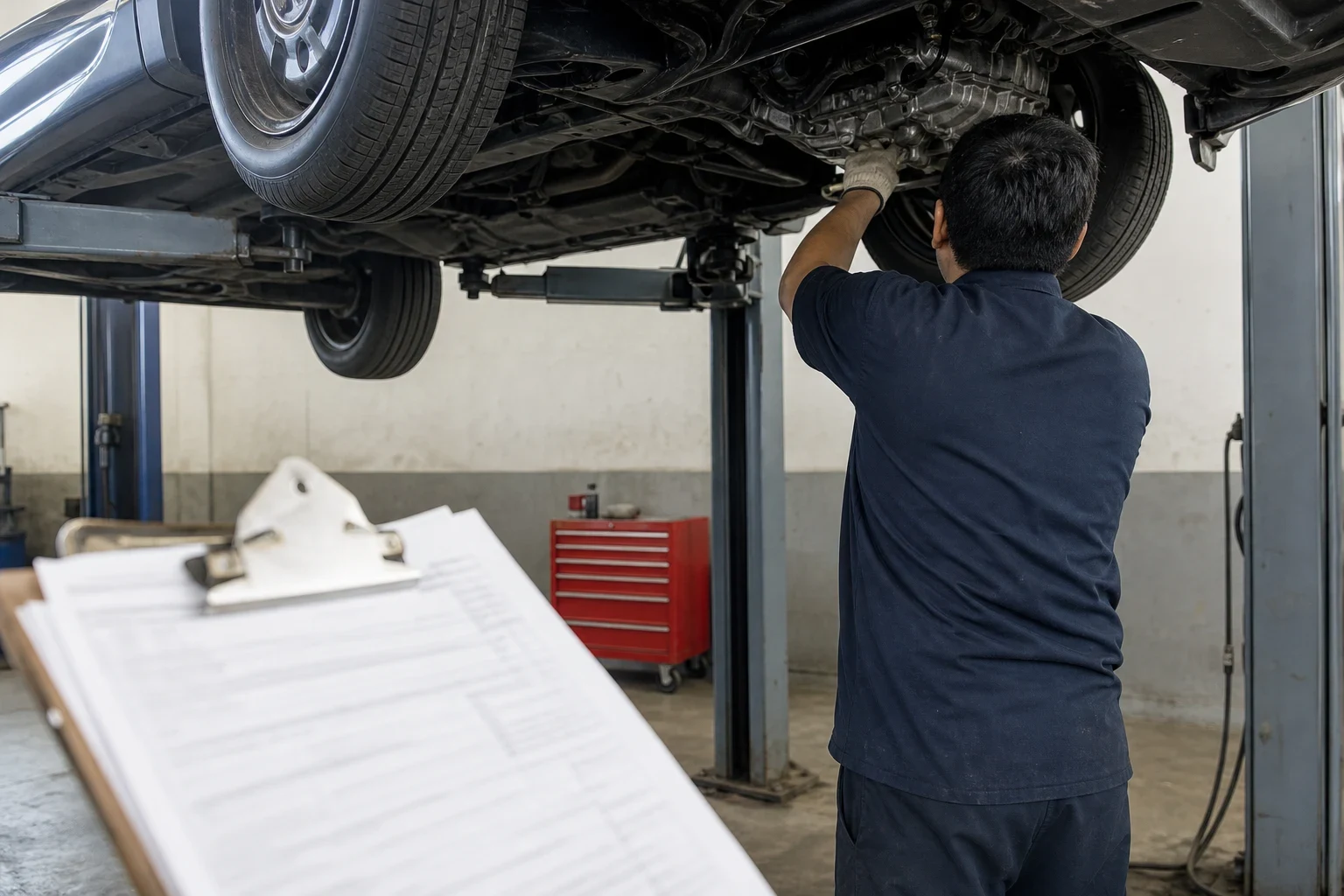
What an Auto Repair Warranty Actually Covers
An auto repair warranty is a vehicle service contract. It is not car insurance. Insurance responds to crashes, theft and weather. A repair warranty responds to mechanical and electrical breakdown: a part that wears out or fails under normal use, like a water pump bearing that starts weeping coolant or a torque converter that shudders at highway speed.
When a covered part fails, the repair facility diagnoses it, the contract administrator approves the claim, and the contract pays for the covered parts and labor minus any deductible you chose. You pay the monthly amount you planned for instead of a lump-sum repair bill.
This coverage makes the most sense when your factory warranty has ended or is close to ending, and when one large repair would strain your budget. It is the right call for drivers who want to know their costs ahead of time rather than react to a check-engine light.
What a Repair Contract Can Pay For
- Inside the engine
- The pistons, rings, crankshaft, camshafts, timing chain and oil pump. Because they are buried deep in the engine, even a small failure takes hours of labor just to get at them.
- Transmission and drive parts
- Internal parts of automatic and CVT transmissions, the torque converter, transfer case, drive axles and differentials. Few repairs cost a driver more than transmission work, and the higher coverage levels center on it.
- Cooling system and AC
- For engine cooling, a plan can include the radiator, water pump and thermostat housing. For the cabin, it can include the compressor, condenser and evaporator that keep the air cold. Long hot spells and stop-and-go traffic put heavy strain on these parts, so many Houston drivers ask about them before anything else.
- Electrical and starting parts
- The alternator, starter motor, power window regulators, sensors and control modules. Today's vehicles depend on dozens of electronic modules, and one failed body control module can knock out several features together.
- Steering, brake and suspension parts
- Depending on the plan level, the power steering pump, steering rack, master cylinder, ABS module and control arm bushings. Brake pads, rotors and other wear items are usually left out.
- Help on the road
- Roadside assistance is covered under the warranty, so a battery that dies or a breakdown on your commute is taken care of within the plan instead of on a separate bill.
Signs It Is Time to Add Repair Coverage
Your factory warranty is ending
Most powertrain and bumper-to-bumper warranties expire by a set mileage or age. Once they lapse, every repair comes out of your pocket.
The odometer is climbing past 80,000 miles
Seals harden, bearings wear and electronic components age. Higher mileage is when water pumps, alternators and transmission solenoids start failing more often.
A recent repair estimate surprised you
If one diagnosis already stretched your budget, that is a strong sign a fixed monthly payment would serve you better than paying shop bills as they come.
Your model has a known weak spot
Some vehicles are known for CVT failures, oil consumption or turbo problems. Coverage chosen with that weakness in mind is worth far more than a generic plan.
You depend on one vehicle
If the car gets the kids to school and you to work, a week in the shop waiting on money for a repair is a real cost of its own.
What Moves the Price of Repair Coverage
There is no single price for an auto repair warranty because the risk behind each vehicle is different. The contract price reflects how likely and how costly a covered repair is. We show you how each factor changes your monthly payment so you can adjust the plan.
Vehicle age and mileage
Older, higher-mileage vehicles are closer to the point where parts wear out, so coverage for them costs more. Locking in coverage sooner usually keeps the price lower.
Make, model and engine
A turbocharged engine, an eight-speed automatic or a luxury brand with expensive parts raises repair costs, and the contract price follows.
Which systems the tier names
Plans are sold in tiers. The entry tier lists the engine, transmission and drive axles; upper tiers add the AC system, electronic modules and steering parts, and each added system raises the price. Tell us which parts worry you most and we will match the tier to them.
Deductible per repair
Picking a larger deductible brings the monthly amount down. The trade-off is a bigger out-of-pocket share each time a covered repair is done.
Contract term
Longer terms in years or miles cost more in total but spread protection further into the life of the vehicle.
How Getting a Repair Warranty Works With Us
- 1
A quick call about your vehicle
Tell us the year, make, model, mileage and how you drive it. Having the VIN handy helps us pull the exact engine and transmission it came with.
- 2
Side-by-side coverage options
We lay out each plan level by the components it names, the deductible, the term and the monthly payment. We point out the exclusions too, such as wear items, routine maintenance and problems that existed before the contract started.
- 3
Choosing a payment plan
We offer flexible payment options, so you can match the monthly amount to your budget. We go over the contract terms with you by phone, by video or at our office before anything is signed.
- 4
Using it when a part fails
If a covered component gives out, bring the vehicle to a repair facility. The technicians diagnose the fault and get the repair approved by the contract administrator before work starts. Hold on to your oil change and service receipts, because a claim can ask for proof of maintenance.

Auto Repair Warranty Questions
Is an auto repair warranty the same as car insurance?
No. A repair warranty pays when a part fails from normal use, such as an alternator that stops charging or a transmission solenoid that sticks. Damage from a crash, a theft or a storm falls under your car insurance instead. Many drivers carry both because each one protects against a different kind of cost.
Will it pay for a problem my car already has?
No. Conditions that existed before the contract began are excluded. That is the main reason to set up coverage while the vehicle is running well, not after a warning light comes on.
Does it cover oil changes, brakes or tires?
Routine maintenance and wear items like brake pads, tires, wiper blades and filters are not covered repairs. You keep up with those yourself, and keeping the receipts helps when you file a claim for a covered part.
Can I get coverage on a high-mileage vehicle?
Often, yes. Eligibility depends on the vehicle's mileage, age and model. We check your details on the call and tell you which plans it qualifies for.
How is this different from your other plans?
Our Car Extended Warranty page explains coverage that continues protection after the factory warranty ends, and our Auto Protection Warranty page covers broader plan options. On a call we can compare all three for your vehicle and tell you which one fits.
Plan for Your Next Repair Before It Happens
Give us your vehicle details and we will compare repair coverage levels, deductibles and monthly payments with you. You will know exactly what is covered before you decide.